
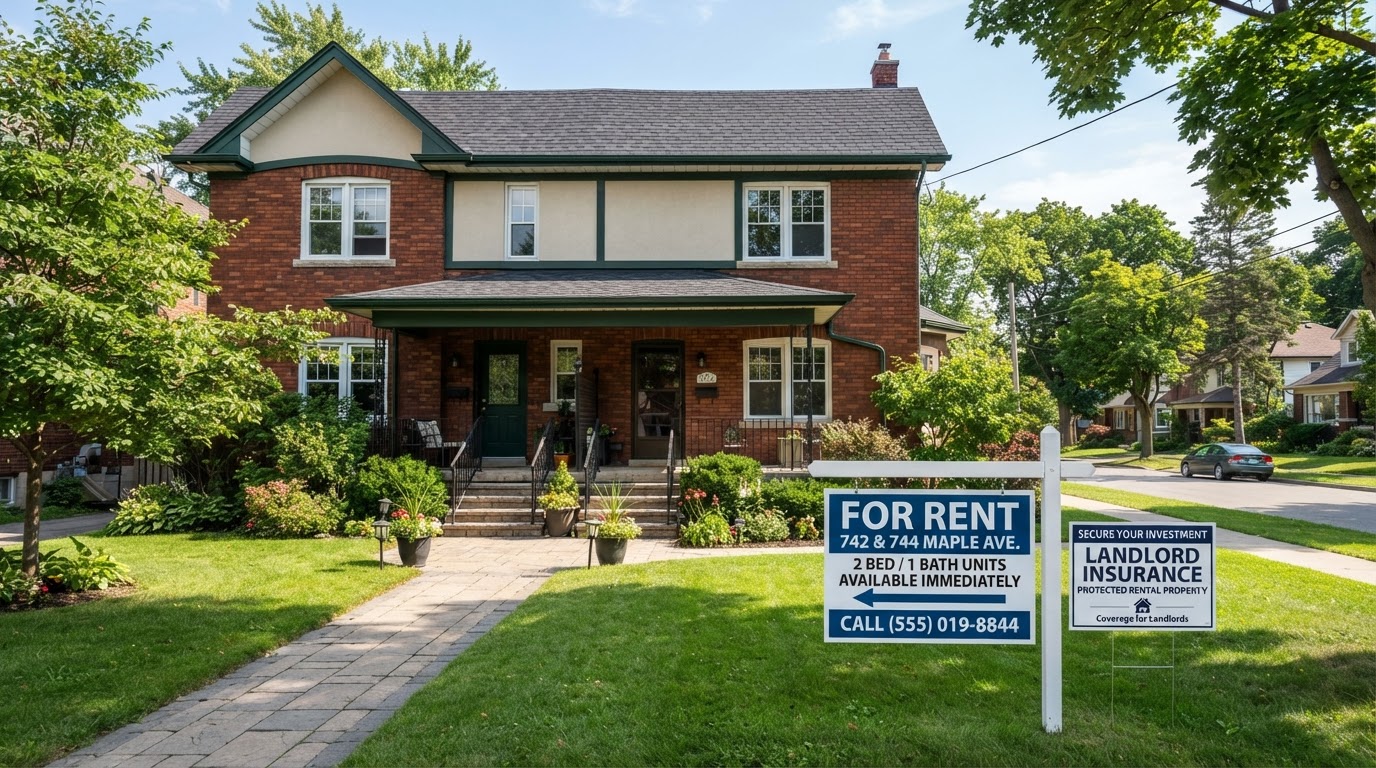
If you own a rental property in Illinois, you might assume your standard homeowners insurance will protect it. Unfortunately, that's one of the most costly misconceptions a landlord can have. Once a property becomes a rental, your homeowners policy may no longer provide coverage—and filing a claim on a property that's not properly insured can result in a denied claim and significant financial loss. In this comprehensive guide, we'll explain everything Illinois landlords need to know about landlord insurance.
What Is Landlord Insurance?
Landlord insurance, also called dwelling fire insurance or DP-3 insurance, is specifically designed for properties occupied by tenants. It covers the physical structure of the rental property, your liability as a property owner, and can include coverage for loss of rental income if the property becomes uninhabitable due to a covered loss. This coverage is fundamentally different from homeowners insurance, which is designed for owner-occupied properties.
How It Differs from Homeowners Insurance
Homeowners insurance is designed for owner-occupied homes and includes coverage for personal property, which a landlord policy typically doesn't include for tenant belongings. Landlord insurance focuses on the structure, your liability, and your rental income. It also accounts for the increased risks of tenant-occupied properties, such as higher likelihood of property damage, liability claims, and wear and tear.
The key difference is that homeowners insurance assumes the owner lives in the property and takes care of it. Landlord insurance recognizes that tenants may not treat the property with the same care, and that the property owner faces unique liability risks. Most homeowners policies explicitly exclude coverage once a property becomes a rental—if you don't switch to landlord insurance, you could be completely uninsured.
What Landlord Insurance Covers
- Dwelling coverage: Protects the physical structure from fire, wind, hail, and other covered perils
- Other structures: Covers detached garages, sheds, and fences on the rental property
- Liability coverage: Protects you if a tenant or visitor is injured on the property
- Loss of rental income: Pays lost rent if the property is uninhabitable after a covered loss
- Fair rental value: Covers the fair market rental value during repairs
- Personal property (optional): Covers appliances and furnishings you provide to tenants
What Landlord Insurance Typically Doesn't Cover
- Tenant belongings: Tenants need their own renters insurance to protect their personal property
- Maintenance and wear: Normal wear and tear from tenant occupancy is not covered
- Vacancy issues: Some policies limit or exclude coverage if the property is vacant for extended periods
- Flood damage: Separate flood insurance is required for flood-related damage
- Earth movement: Earthquake coverage is typically a separate endorsement
- Pest damage: Damage from bedbugs, rodents, or insects is generally excluded
How Much Does Landlord Insurance Cost in Illinois?
Landlord insurance typically costs 15-25% more than a comparable homeowners policy because of the increased risk of tenant occupancy. Factors that affect your premium include the property's age, construction type, location, claim history, deductible, and the amount of liability coverage you choose. Properties in areas with higher crime rates or older infrastructure may see higher premiums.
While landlord insurance costs more than homeowners insurance, the cost is typically passed through to tenants in the form of rent. Most landlords factor insurance costs into their rental pricing, so the additional cost doesn't come out of your profit—it's part of the cost of doing business. We help you find the most competitive landlord insurance rates to maximize your rental income.
Liability Protection for Landlords
Liability is one of the most important components of landlord insurance. If a tenant slips on an icy walkway, if a visitor is injured by a loose railing, or if your property causes damage to a neighbor's property, you could be sued. We recommend at least $500,000 in liability coverage for rental properties, and many landlords benefit from adding an umbrella policy for additional protection.
Landlord liability claims can be significant. A tenant who suffers a serious injury on your property could sue for medical bills, lost wages, pain and suffering, and potentially punitive damages. Without adequate liability coverage, a single lawsuit could wipe out years of rental income and potentially your personal assets. An umbrella policy provides $1 million or more in additional liability protection for a modest annual cost.
Loss of Rental Income Coverage
If a fire or other covered loss makes your rental property uninhabitable, loss of rental income coverage reimburses you for the rent you would have collected during the repair period. This can be critical for landlords who rely on rental income to pay the mortgage. The coverage typically lasts up to 12 months, depending on the policy.
Without this coverage, you'd still have to pay the mortgage, property taxes, and insurance premiums on a property that's generating no income. For landlords with tight cash flow, this could mean defaulting on the mortgage. Loss of rental income coverage ensures you can continue meeting your financial obligations even when the property can't be occupied.
Do I Need Landlord Insurance If I Have an LLC?
Yes. While an LLC provides liability protection for your personal assets, it doesn't insure the property itself. Landlord insurance protects the physical structure and provides liability coverage specific to rental operations. An LLC and landlord insurance work together—neither replaces the other. The LLC protects your personal assets from business liability, while landlord insurance protects the property and covers liability claims.
Illinois-Specific Considerations for Landlords
Illinois weather presents unique challenges for rental properties. Winter freeze damage, ice dams, and snow load can cause significant damage. Wind and hail storms are common in spring and summer. Additionally, older rental properties in Illinois cities may have aging plumbing and electrical systems that increase the risk of water damage and fire. We help landlords find policies that address these specific risks.
Illinois landlord-tenant laws also affect your insurance needs. Illinois requires landlords to maintain habitable conditions, and failure to do so can result in liability claims. Understanding your legal obligations as a landlord helps you identify the right insurance coverage to protect against claims that could arise from these obligations.
Requiring Tenants to Carry Renters Insurance
One of the smartest things a landlord can do is require tenants to carry renters insurance. This protects the tenant's belongings and provides liability coverage if the tenant causes damage to the property or injures someone. It also reduces the likelihood of claims against your landlord policy. We recommend including this requirement in your lease agreement.
When tenants have their own renters insurance, claims for tenant-caused damage or tenant injuries to guests are handled by the tenant's policy, not yours. This reduces your claims history, which helps keep your landlord insurance premiums lower. It also provides a clearer path for resolving disputes about damage responsibility.
Bundling Landlord Insurance with Other Policies
If you own multiple rental properties or also have your own home and auto insured, bundling can create significant savings. Many carriers offer multi-policy discounts, and having all your coverage with one advisor simplifies management and claims. We compare bundled vs. separate options to ensure you're getting the best value.
How We Help Illinois Landlords
As an independent agency, we work with 15+ carriers to find the best landlord insurance for your specific property. Some carriers are better for older homes, others for multi-unit properties, and some offer better rates for landlords with multiple properties. We compare options, explain the differences, and help you make an informed decision.
We also review your coverage annually to ensure it keeps pace with changing property values, rental rates, and risk profiles. If you acquire additional properties, we can add them to your portfolio. If you sell a property, we can remove it. Our goal is to ensure your rental investments are properly protected at the best possible price.
Frequently Asked Questions
Can I use my homeowners insurance if I move out and rent the property?
No. Once a property becomes a rental, most homeowners policies will not provide coverage. You need to switch to a landlord policy before the tenant moves in to avoid a coverage gap.
Does landlord insurance cover tenant-caused damage?
It depends. Accidental damage from a covered peril (like fire) is typically covered. Intentional damage by the tenant is usually excluded, which is why requiring renters insurance and thorough tenant screening is important.
How much liability coverage should I have as a landlord?
We recommend at least $500,000 in liability coverage for rental properties. If you have significant assets, an umbrella policy of $1 million or more provides additional protection at a reasonable cost.