
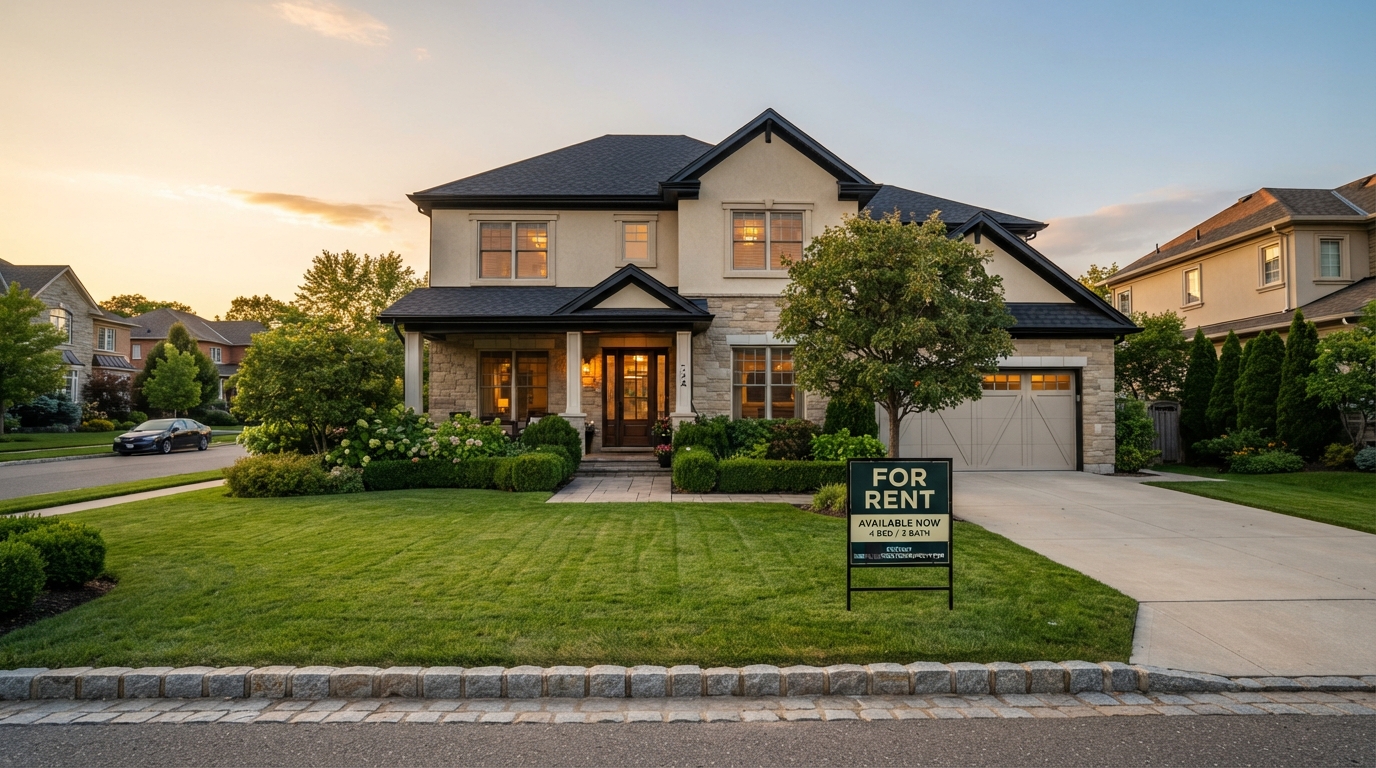
Landlord Insurance for Your Rental Property.
Your rental property is an investment. The Insurance Professionals helps landlords compare coverage that protects the dwelling, your liability, and your rental income.
No obligation • Personalized recommendations • Fast response
What Landlord Insurance Covers
Standard homeowners insurance won't protect a rental property. Landlord insurance is specifically designed for the unique risks of being a property owner and landlord.
Dwelling Coverage
Protects the physical structure of your rental property against fire, wind, hail, and other covered perils.
Liability Protection
Covers legal costs and damages if a tenant or visitor is injured on your rental property.
Loss of Rental Income
Reimburses lost rent if your property becomes uninhabitable due to a covered loss.
Other Structures
Covers detached garages, sheds, fences, and other structures on the rental property.
Property Damage
Protects appliances and other items you provide as part of the rental (not tenant belongings).
Optional Endorsements
Add coverage for vandalism, burglary, and fair rental income protection.
Coverage Gaps Landlords Often Miss
Vacancy Periods
Many policies limit or exclude coverage if the property is vacant for 30+ days. Ask about vacancy permits.
Tenant-caused Damage
Wear and tear is excluded. Some policies offer optional coverage for malicious damage by tenants.
Underinsured Liability Limits
Standard liability limits may be too low for multi-unit properties. Consider an umbrella policy.
Not Requiring Tenant Insurance
Without renters insurance from your tenants, you may face disputes over their damaged belongings.
Outdated Replacement Cost Estimates
Construction costs rise. Make sure your dwelling coverage reflects current rebuild costs.
Missing Loss of Income Coverage
If a fire makes your property uninhabitable, this coverage replaces your rental income.
How to Lower Your Landlord Insurance Premium in Illinois
Owning rental property is a significant investment. Here are proven strategies to reduce your landlord insurance costs without compromising the protection you need.
Require Tenant Renters Insurance
When tenants carry their own renters insurance, it reduces your liability exposure and the likelihood of disputes over damaged belongings. Many landlords require this in the lease.
Bundle Multiple Properties
If you own multiple rental properties, a portfolio policy can reduce per-property costs and simplify management. We help you structure multi-property coverage.
Install Safety Features
Smoke detectors, burglar alarms, deadbolt locks, and security lighting can earn discounts while protecting your property and reducing claims.
Screen Tenants Thoroughly
Quality tenants reduce the risk of property damage, late payments, and eviction costs. A strong screening process can lower your long-term insurance costs.
Increase Your Deductible
Raising your deductible can lower your premium significantly. Just ensure you have reserves to cover the higher out-of-pocket cost if a claim occurs.
Maintain the Property
Regular maintenance—roof inspections, plumbing checks, and electrical updates—reuces claims and demonstrates to carriers that you're a responsible property owner.
What Affects Your Landlord Insurance Rate in Illinois
Landlord insurance premiums are calculated based on several factors. Understanding what influences your rate helps you make informed decisions about your investment property coverage.
Property Value
The rebuild cost of your rental property is the primary factor. Larger or custom homes with higher construction costs carry higher premiums.
Coverage Limits
Higher dwelling, liability, and loss-of-income limits increase your premium but provide more protection for your investment.
Property Age
Older properties with outdated electrical, plumbing, or roofing systems cost more to insure due to higher risk of claims.
Location
Neighborhood crime rates, proximity to fire stations, and local weather patterns all affect your premium. Illinois storm and freeze risks are factors.
Number of Units
Multi-unit properties carry higher liability risk than single-family rentals. The number of tenants and units impacts your rate.
Claims History
Your past claims and the claims history of the property influence your premium. Properties with frequent claims may face higher rates.
Illinois Landlord Insurance Considerations
Illinois weather, tenant laws, and local market conditions create unique considerations for rental property owners. Here's what Illinois landlords should understand about their coverage.
Severe Weather & Wind Damage
Illinois thunderstorms, hail, and tornadoes can cause significant property damage. Ensure your dwelling coverage reflects current rebuild costs and that your wind/hail deductible is manageable. We help you review these critical details.
Winter Freeze Risks
Frozen pipes and ice dams are common in Illinois winters. If your rental is vacant during winter, you must maintain heat or winterize the plumbing to prevent burst pipes. Your policy may require this.
Tenant Screening & Liability
Illinois landlord-tenant laws affect your liability exposure. Proper lease agreements, security deposits, and tenant screening reduce your risk. We recommend requiring renters insurance in every lease.
Vacancy Periods
If your rental sits vacant between tenants for 30+ days, coverage may be limited. Illinois landlords should ask about vacancy permits or endorsements to maintain protection during turnover periods.
Umbrella Coverage for Landlords
If you own multiple rental properties, consider a personal or commercial umbrella policy for additional liability protection beyond your landlord policy limits. This protects your personal assets from rental-related lawsuits.
Common Landlord Insurance Questions
What's the difference between landlord insurance and homeowners insurance?
Homeowners insurance covers owner-occupied properties and includes personal property coverage. Landlord insurance is designed for rental properties and focuses on the dwelling, liability, and loss of rental income, but not the tenant's personal belongings.
Does landlord insurance cover my tenant's belongings?
No. Your landlord policy covers the building and your liability. Your tenants need their own renters insurance to protect their personal property.
Does landlord insurance cover loss of rental income?
Many landlord policies include or offer optional coverage for loss of rental income if your property becomes uninhabitable due to a covered loss. We help you confirm this is included.
Should I require my tenants to carry renters insurance?
Yes. Requiring tenants to carry renters insurance protects both you and them. It covers their belongings and provides liability coverage, reducing the chance of disputes.
How much does landlord insurance cost in Illinois?
Landlord insurance typically costs 15-25% more than a standard homeowners policy for the same property, because rental properties carry higher risk. Premiums vary based on property value, location, number of units, and coverage limits. We compare multiple carriers to find the best rate.
Does landlord insurance cover vandalism by tenants?
Standard landlord policies may exclude intentional damage by tenants. However, you can add a malicious damage endorsement to cover tenant-caused vandalism. We help you review whether this coverage is included.
Can I insure multiple rental properties under one policy?
Yes. Many carriers offer portfolio policies for landlords with multiple properties, which can simplify management and reduce costs. We help you structure coverage for single or multi-property portfolios.
What happens if my rental property is vacant?
Most landlord policies limit or exclude coverage if the property is vacant for 30-60+ days. If you're between tenants, ask about a vacancy permit or endorsement to maintain protection during the vacancy period.
Landlord Insurance Quote Process
Share Details
Tell us about your rental
Review Policy
We review your current coverage
Compare Options
We shop multiple carriers
Choose Protection
Select the right policy
Protect Your Investment Property With Confidence.
No obligation • Personalized recommendations • Fast response