
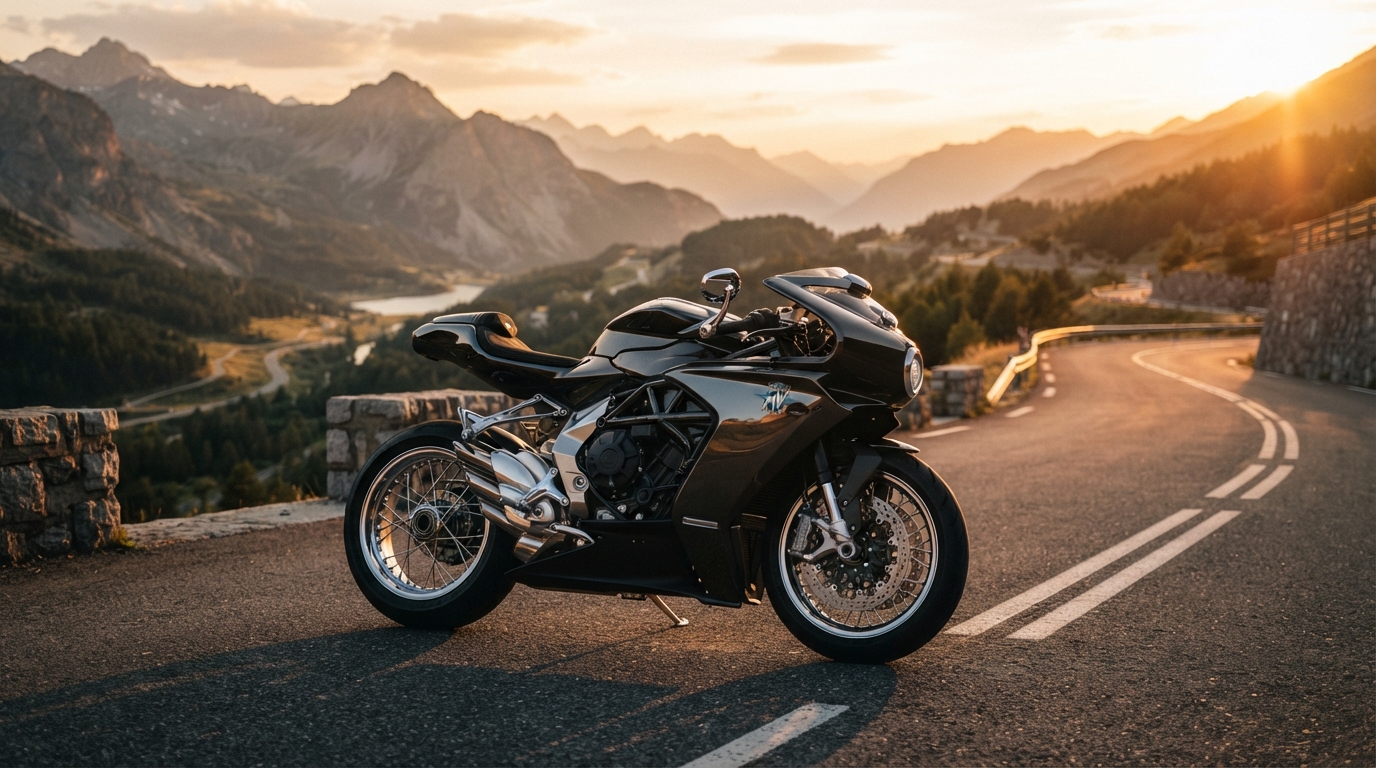
Motorcycle Insurance Built for the Open Road.
Whether you ride for the commute or the thrill, The Insurance Professionals helps you compare motorcycle insurance options that protect your bike, your liability, and your freedom to ride.
No obligation • Personalized recommendations • Fast response
Motorcycle Coverage Options
Your motorcycle needs its own policy. We help you compare coverage options from multiple carriers to find the right protection for your bike and riding style.
Liability Coverage
Covers bodily injury and property damage you cause to others while riding.
Comprehensive
Protects against theft, vandalism, fire, and weather damage when your bike is parked.
Collision
Covers damage to your motorcycle from a collision, regardless of fault.
Uninsured Motorist
Protects you if you're hit by a driver without insurance or with insufficient coverage.
Medical Payments
Covers medical expenses for you and your passenger after an accident.
Custom Parts & Accessories
Covers aftermarket parts, custom paint, and riding gear.
Coverage Gaps Riders Often Miss
Skipping Comprehensive Coverage
Without comprehensive, theft and vandalism aren't covered. For a valuable bike, this is essential.
Not Covering Custom Parts
Aftermarket exhausts, seats, and paint may exceed base policy limits. Schedule them separately.
Missing Passenger Liability
Confirm your policy includes guest passenger liability to protect your rider.
Low Liability Limits
Minimum liability limits may not protect your assets in a serious accident. Consider higher limits.
No Roadside Assistance
Being stranded on the road is stressful. Roadside assistance is an affordable add-on.
Not Bundling
Many carriers offer discounts when you bundle motorcycle with auto or home insurance.
Illinois Motorcycle Insurance Requirements
Illinois law requires all motorcyclists to carry liability insurance. But just like auto insurance, minimum coverage may not be enough to protect your assets. Here's what you need to know.
$25K
Bodily Injury
Per person, per accident
$50K
Bodily Injury
Total per accident
$20K
Property Damage
Per accident
Why Minimum Limits Aren't Enough
Motorcycle accidents often result in severe injuries and significant property damage. If you cause an accident that exceeds your liability limits, you could be personally responsible for the difference. We recommend at least 100/300/50 liability limits to protect your assets, plus uninsured motorist coverage to protect you when the other driver is at fault.
How to Lower Your Motorcycle Insurance Premium
There are several legitimate ways to reduce your motorcycle insurance costs without sacrificing the protection you need on the road.
Complete a Safety Course
Many carriers offer discounts for completing an approved motorcycle safety course. The Motorcycle Safety Foundation (MSF) course is widely recognized and can save you 10-15%.
Bundle with Auto & Home
Multi-policy discounts can save 5-25% on your motorcycle premium. Bundling with your auto and home insurance is one of the easiest ways to reduce your overall insurance cost.
Install Anti-Theft Devices
Alarm systems, tracking devices, and disc locks can earn discounts with many carriers while protecting your bike from theft.
Choose a Higher Deductible
Increasing your deductible from $250 to $500 or $1,000 can significantly lower your premium. Just be prepared to pay more out of pocket if you file a claim.
Maintain a Clean Riding Record
Safe riding is the biggest factor in your rate. Accidents and violations can increase premiums for 3-5 years. A clean record keeps your rates as low as possible.
Consider Seasonal Coverage
If you don't ride year-round, ask about lay-up periods that suspend certain coverages during the off-season while keeping comprehensive protection in place.
What Affects Your Motorcycle Insurance Rate in Illinois
Motorcycle insurance premiums are calculated based on a combination of factors. Understanding what influences your rate helps you make informed decisions about your coverage.
Type of Motorcycle
Sport bikes cost more to insure than cruisers or touring bikes. Engine size, value, and theft rate all affect your premium.
Coverage Limits
Higher liability limits and lower deductibles increase your premium, but they also provide more protection when you need it most.
Riding Experience
New riders and younger motorcyclists typically pay more. Rates decrease with experience and a clean riding record.
Where You Ride & Store
Urban areas with higher traffic and theft rates generally cost more than rural areas. Where you garage your bike matters.
Credit History
In many states, including Illinois, insurance carriers may use credit-based insurance scores as one factor in determining your rate.
Custom Parts & Accessories
Aftermarket parts, custom paint, and accessories increase your bike's value and may increase your premium if you want them covered.
Types of Motorcycles We Help Insure
From daily commuters to weekend cruisers, we help you find the right coverage for every bike in your garage.
Cruisers
Classic-style cruisers with moderate engine displacement. Generally the most affordable motorcycles to insure.
Touring Bikes
Large, comfortable bikes built for long-distance travel. Higher value means higher coverage limits may be needed.
Sport Bikes
High-performance motorcycles with aggressive styling. These typically carry the highest insurance premiums.
Standard & Naked
Versatile, everyday motorcycles that balance performance and practicality at a reasonable insurance cost.
Dual Sport & Adventure
On- and off-road capable bikes. Coverage needs depend on how and where you ride.
Classic & Collector
Vintage and collector motorcycles may qualify for agreed value policies that protect the true value of your investment.
What to Expect During the Claims Process
Claims are handled by your insurance carrier, but The Insurance Professionals is here to help you understand the process, find the right contact information, and know what questions to ask.
Report the Claim
Contact your carrier or call us. We help you find the right number and understand what to say.
Damage Assessment
An adjuster inspects your motorcycle and estimates repair costs. We help you understand the assessment.
Repairs & Rental
Choose a repair shop and arrange transportation while your bike is in the shop.
Resolution
Once repairs are complete and the claim is settled, we review your policy to ensure you're still well-protected.
Common Motorcycle Insurance Questions
Answers to the questions Illinois riders ask most.
Does my auto insurance cover my motorcycle?
No. Motorcycles require a separate motorcycle insurance policy. Your auto insurance does not extend to two-wheeled vehicles.
What coverage do I need for a motorcycle?
At minimum, you need liability coverage to ride legally in Illinois. We recommend adding comprehensive and collision coverage to protect your bike against theft, vandalism, and accidents.
Are there discounts available for motorcycle insurance?
Yes. Many carriers offer discounts for safety course completion, anti-theft devices, multi-bike policies, and bundling with your auto or home insurance.
Does motorcycle insurance cover passengers?
Passenger liability coverage is included in most Illinois motorcycle policies, but we recommend confirming your specific policy includes guest passenger liability.
How much does motorcycle insurance cost in Illinois?
Motorcycle insurance costs vary based on your bike's value, engine size, riding history, coverage limits, and location. A standard cruiser may cost $200-$500 per year for full coverage, while sport bikes can be significantly more. We compare multiple carriers to find the best rate for your situation.
Does motorcycle insurance cover riding gear?
Many policies include limited coverage for helmets and riding gear, but high-end gear may need to be scheduled separately. We help you review your policy to ensure your gear is properly protected.
Can I ride without motorcycle insurance in Illinois?
No. Illinois law requires all motorcyclists to carry liability insurance. Riding without insurance can result in fines, license suspension, and personal financial liability if you cause an accident.
What is the difference between stated value and agreed value for a motorcycle?
Stated value pays the lesser of the stated amount or actual cash value at the time of loss. Agreed value guarantees a predetermined payout amount regardless of depreciation. For collector or custom bikes, agreed value is usually the better option.
Motorcycle Insurance Quote Process
Share Details
Tell us about your bike
Review Options
We compare carriers
Compare Quotes
See options side-by-side
Choose Coverage
Ride with confidence
Ride With Better Protection Behind You.
No obligation • Personalized recommendations • Fast response