
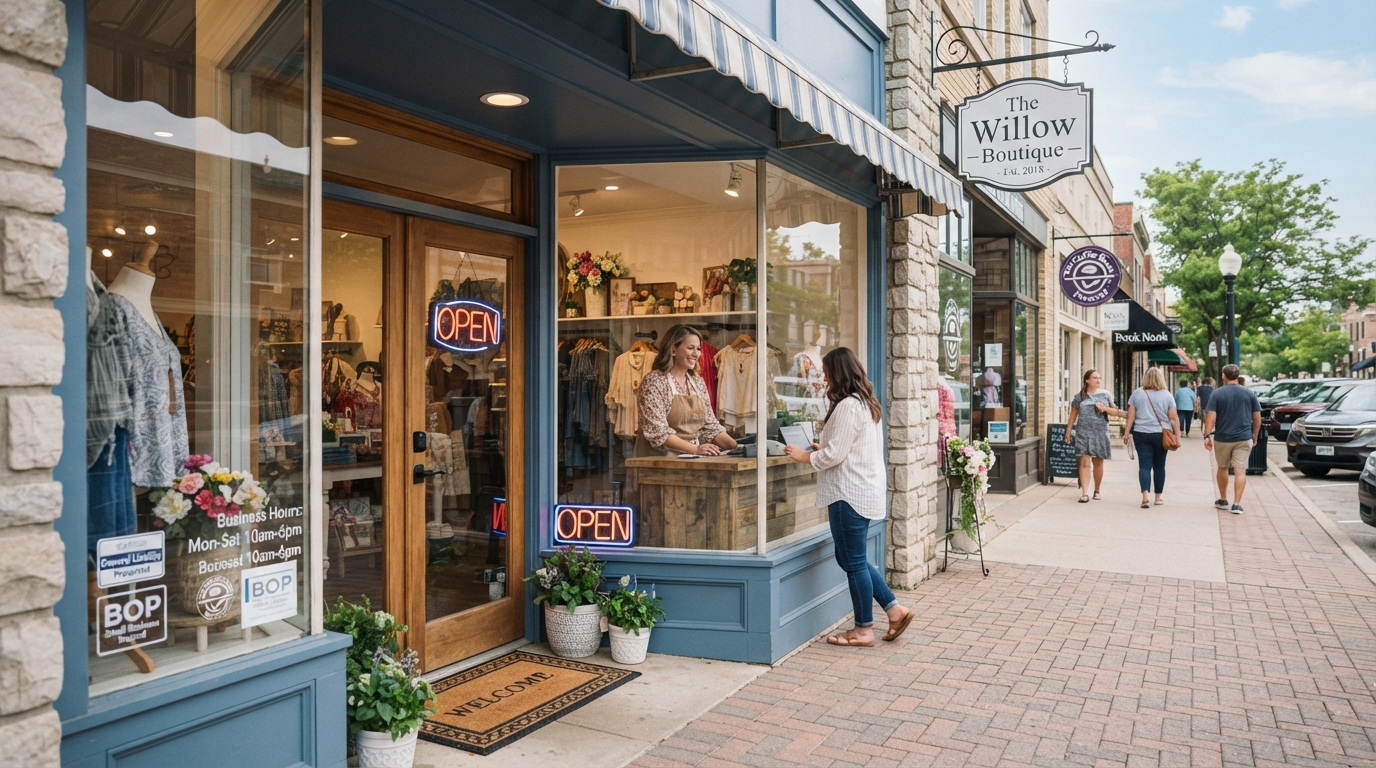
If you're a small business owner in Illinois, you've probably heard of both General Liability insurance and a Business Owner's Policy (BOP). But what's the difference, and which one do you actually need? Choosing the right coverage is essential for protecting your business, and the wrong choice could leave you with significant gaps. In this comprehensive guide, we'll explain both options in plain English, compare them side by side, and help you determine which is right for your Illinois business.
What Is General Liability Insurance?
General Liability (GL) insurance protects your business against claims of bodily injury, property damage, and personal injury (like libel or slander) caused by your business operations. If a customer slips in your store, if your employee damages a client's property while working, or if your advertising causes harm to another business, GL covers the medical bills, legal defense, and settlements or judgments.
General Liability is the most fundamental type of business insurance. Nearly every business needs it, regardless of size or industry. It protects against the most common liability claims that can arise from day-to-day business operations. However, GL alone doesn't cover everything—it doesn't protect your business property, your employees' work injuries, or your professional errors.
What Is a Business Owner's Policy (BOP)?
A Business Owner's Policy bundles General Liability with commercial property insurance into one package. A BOP protects both your liability exposure and your physical business assets—your building, equipment, inventory, and furniture. By combining these coverages, carriers can offer a BOP at a lower cost than buying GL and property separately—typically 10-20% savings.
A BOP is designed specifically for small to medium-sized businesses with physical locations. It's an all-in-one solution that addresses the most common risks these businesses face. In addition to GL and property, most BOPs include business interruption coverage, which pays for lost income and ongoing expenses if your business is temporarily closed due to a covered loss.
The Key Differences
- General Liability covers liability only; a BOP covers liability AND physical property
- A BOP is typically cheaper than buying GL and property separately—usually 10-20% savings
- BOPs are designed for small to medium-sized businesses with physical locations
- General Liability alone may be sufficient for service businesses without significant physical assets
- A BOP often includes business interruption coverage; standalone GL does not
- A BOP often includes extra expense coverage for operating from a temporary location
- BOPs may include equipment breakdown, outdoor signs, and valuable papers coverage
Who Needs General Liability Only?
If you run a service-based business with minimal physical assets—a consultant, freelancer, contractor who works at client sites, or a home-based business—General Liability alone may be sufficient. You need liability protection in case a client is injured or you cause property damage, but you may not have significant business property to insure.
For example, a freelance graphic designer who works from home and meets clients at coffee shops has minimal business property. GL coverage protects against liability claims, and there's little need for commercial property coverage. However, even service businesses should consider whether they need professional liability (errors and omissions) coverage, which protects against claims of professional negligence or mistakes.
Who Needs a BOP?
If your business has a physical location, inventory, equipment, or furniture, a BOP is usually the better choice. Retail stores, restaurants, offices, small manufacturing businesses, and any business with a physical presence typically benefit from the combined protection of a BOP. The property coverage protects your investment in your building, equipment, and inventory, while the liability coverage protects against claims from customers and visitors.
For example, a retail store with $100,000 in inventory, $50,000 in equipment and fixtures, and a leased space needs both liability and property coverage. A BOP provides both at a lower cost than buying separately. The business interruption coverage is also critical—if a fire forces the store to close for three months, the BOP pays for lost income and ongoing expenses like rent and payroll.
What a BOP Includes Beyond GL and Property
- Business interruption coverage: Lost income and ongoing expenses if you can't operate after a covered loss
- Extra expense coverage: Costs to operate from a temporary location while your business is being repaired
- Outdoor signs and property coverage: Protection for exterior signage attached to your building
- Equipment breakdown coverage: Protection against mechanical and electrical breakdowns of business equipment
- Valuable papers coverage: Protection for important business documents and records
- Employee dishonesty coverage: Protection against theft or fraud by employees (with some carriers)
- Data breach coverage: Protection against the costs of a data breach (with some carriers)
What a BOP Typically Doesn't Cover
- Workers' compensation: Must be purchased separately and is required by Illinois law for businesses with employees
- Professional liability (E&O): Separate coverage for service-based businesses that protects against claims of professional errors
- Commercial auto: Separate policy for business vehicles, including delivery vehicles and company cars
- Cyber liability: Often available as an add-on but not included by default in most BOPs
- Flood and earthquake: Separate coverage required, as these perils are excluded from standard property policies
- Liquor liability: Bars and restaurants that serve alcohol need separate coverage for liquor-related claims
- Pollution liability: For businesses with environmental risks, separate coverage is required
- Directors and officers liability: For businesses with a board of directors, separate D&O coverage may be needed
How Much Does a BOP Cost in Illinois?
BOP costs vary widely based on your business type, location, property value, payroll, and claims history. A small office-based business might pay $500-$1,500 per year, while a retail store or restaurant could pay $1,500-$5,000 or more. The savings from bundling make a BOP one of the most cost-effective ways to protect your business.
Factors that affect BOP cost include the type of business (some industries are riskier than others), the value of your business property, your location (urban areas typically cost more), your claims history, your payroll and revenue, and the coverage limits and deductibles you choose. As an independent agency, we compare BOP options from 15+ carriers to find the best coverage at the best price.
How to Decide
The best way to determine which coverage you need is to talk with an independent insurance advisor. We assess your business operations, assets, and risks to recommend the right coverage. We compare options from multiple carriers to find the best value. Here are some questions to consider:
- Do you have a physical business location with equipment, inventory, or furniture?
- Could your business survive a temporary closure without significant financial loss?
- Do you have employees who could be injured on the job?
- Do you use vehicles for business purposes?
- Do you handle customer data that could be compromised in a breach?
- Do you provide professional services where errors could cause financial harm to clients?
Other Coverages to Consider
- Workers' compensation: Required in Illinois for most businesses with employees—covers work-related injuries
- Professional liability (errors and omissions): For service providers who could be sued for professional mistakes
- Commercial auto: For business vehicles, including delivery vehicles and company cars
- Cyber liability: For businesses that handle customer data or process online payments
- Commercial umbrella: Extra liability protection beyond your GL or BOP limits
- Directors and officers liability: For businesses with boards of directors
Illinois-Specific Considerations
Illinois has specific requirements for business insurance. Workers' compensation is mandatory for virtually all businesses with one or more employees. The Illinois Workers' Compensation Commission oversees the system and sets benefit levels. Failure to carry workers' comp can result in severe penalties, including fines and criminal charges.
Illinois businesses also face specific risks from severe weather, including thunderstorms, tornadoes, and winter storms. These events can damage business property and interrupt operations. Ensuring your BOP or property policy covers these perils and includes adequate business interruption limits is essential for Illinois businesses.
How We Help Illinois Businesses
As an independent agency, we work with 15+ commercial carriers to find the best coverage for your business. We assess your operations, compare BOP and standalone GL options, help you customize coverage with appropriate endorsements, and ensure you're getting the best value. We also review your coverage annually to make sure it keeps pace with your business growth.
We take the time to understand your business—not just your insurance needs, but your operations, goals, and challenges. This allows us to recommend coverage that truly fits your situation, not a one-size-fits-all policy. And because we're independent, we can compare options across the market to find the carrier that offers the best combination of coverage, price, and service for your specific business.
The Bottom Line
The choice between General Liability and a Business Owner's Policy depends on your business type, assets, and risks. If you have a physical location and business property, a BOP is usually the better value. If you're a service business with minimal property, GL alone may suffice. The best way to decide is to work with an independent agent who can assess your needs and compare options across multiple carriers. Contact us today for a no-obligation review of your business insurance needs.
Frequently Asked Questions
Is a BOP always cheaper than buying policies separately?
Usually yes. Bundling GL and property in a BOP is typically 10-20% cheaper than purchasing the same coverage separately. However, we always compare both options to confirm which is more cost-effective for your specific business.
Can I add coverage to a BOP?
Yes. BOPs are customizable. You can add endorsements for tools, equipment, cyber liability, employee dishonesty, and more. We help you build the right policy for your business.
Do I need workers' comp if I have a BOP?
Yes. Workers' compensation is a separate policy required by Illinois law for businesses with employees. A BOP does not include workers' comp. We can help you coordinate all your coverage.