
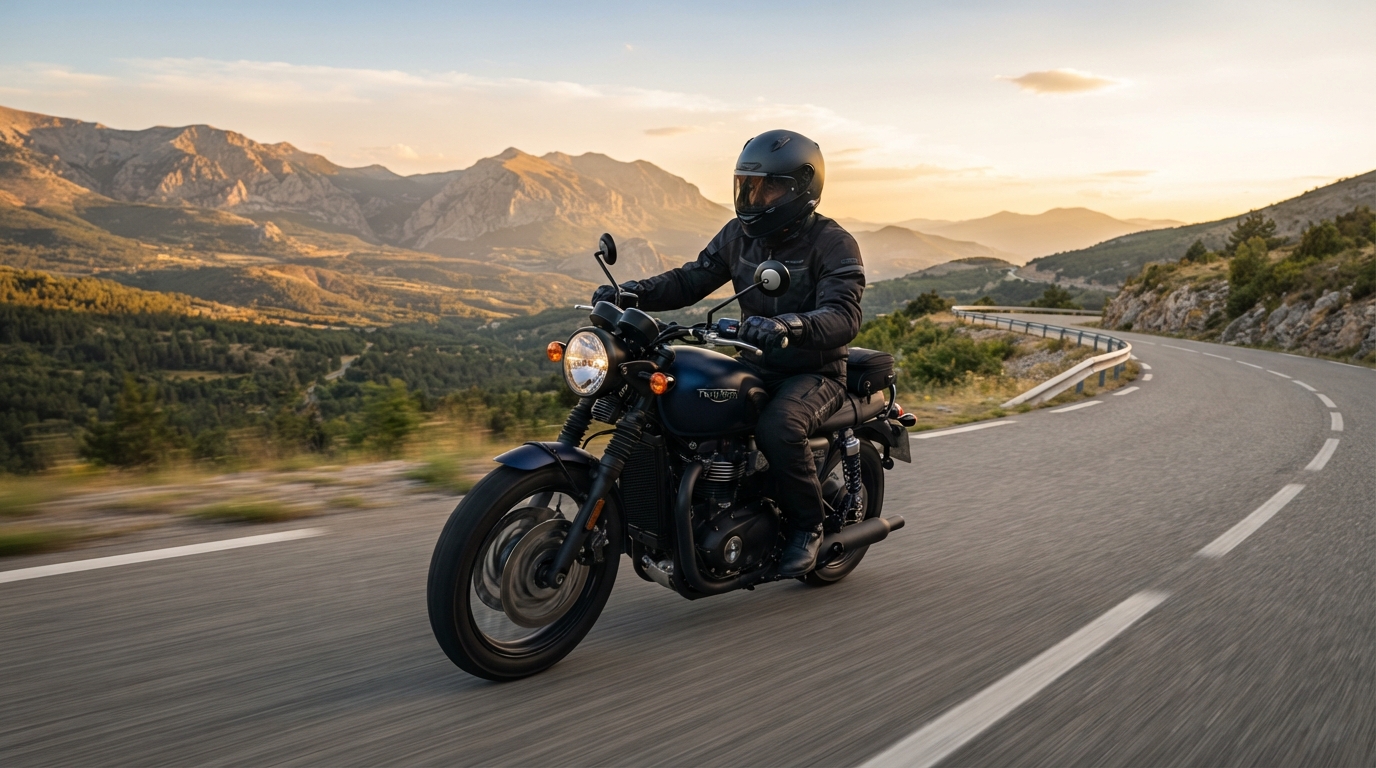
Riding a motorcycle in Illinois offers freedom, excitement, and a unique connection to the road. But with that freedom comes risk. Motorcycle accidents are statistically more severe than car accidents, and the financial consequences of being uninsured or underinsured can be devastating. Understanding your motorcycle insurance options is essential for every rider in Illinois. In this comprehensive guide, we'll cover everything you need to know.
Is Motorcycle Insurance Required in Illinois?
Yes. Illinois law requires all motorcycle operators to carry liability insurance. The minimum requirements are $25,000 for bodily injury per person, $50,000 for bodily injury per accident, and $20,000 for property damage. However, these minimums are just that—minimums. Most riders need significantly more coverage to protect their assets.
Types of Motorcycle Insurance Coverage
- Liability coverage: Pays for injuries and damage you cause to others
- Collision coverage: Pays for damage to your motorcycle from a collision
- Comprehensive coverage: Pays for theft, vandalism, fire, and weather damage
- Uninsured/underinsured motorist: Protects you if hit by a driver with no or insufficient insurance
- Medical payments: Covers medical bills for you and your passenger regardless of fault
- Guest passenger liability: Specifically covers injuries to your passenger
- Custom parts and equipment: Covers aftermarket accessories and modifications
- Roadside assistance: Towing and emergency services for your motorcycle
How Much Motorcycle Insurance Do You Need?
The right amount of coverage depends on your bike's value, your assets, and your risk tolerance. If your motorcycle is financed, your lender will require comprehensive and collision coverage. If you own the bike outright, you may choose to drop full coverage on an older, less valuable bike—but you should never reduce liability coverage below what protects your assets.
What Affects Motorcycle Insurance Rates in Illinois
- Type of motorcycle: Sport bikes cost more to insure than cruisers or touring bikes
- Engine size: Larger engines generally mean higher premiums
- Rider age and experience: Young and inexperienced riders pay more
- Driving record: Tickets and accidents significantly increase rates
- Location: Urban areas with more traffic typically cost more than rural areas
- Seasonal riding: Some carriers offer seasonal policies for Illinois riders
- Safety courses: Completing a motorcycle safety course can reduce your premium
- Anti-theft devices: Alarm systems and tracking devices can qualify for discounts
Seasonal Riding and Insurance in Illinois
Illinois riders typically ride from April through October, and some carriers offer seasonal policies that reduce or suspend coverage during winter months. However, comprehensive coverage should remain active year-round to protect against theft, fire, and weather damage while the bike is stored. We help you find the right balance between saving money and maintaining protection.
Sport Bikes vs. Cruisers: Insurance Differences
Sport bikes, with their high performance and higher accident rates, are significantly more expensive to insure than cruisers or touring motorcycles. A 25-year-old rider might pay $200-$400 per year to insure a cruiser, while the same rider could pay $800-$1,500 or more for a sport bike. If you're choosing a motorcycle, understanding the insurance cost should be part of your decision.
Protecting Custom Parts and Accessories
If you've customized your motorcycle with aftermarket exhaust, custom paint, upgraded suspension, or other accessories, standard coverage may not be enough. Most policies include limited coverage for custom parts—often $1,000-$3,000. If your accessories exceed this amount, you need additional coverage to ensure they're fully protected.
Helmet Laws and Insurance in Illinois
Illinois is one of the few states that does not have a universal helmet law. However, wearing a helmet is strongly recommended for safety, and some insurance carriers offer discounts for riders who always wear helmets. Additionally, not wearing a helmet could affect a claim payout in some circumstances. We always recommend helmet use regardless of legal requirements.
Bundle Your Motorcycle with Home and Auto
Many carriers offer significant discounts when you bundle your motorcycle insurance with your home and auto policies. This can save 10-20% on your motorcycle premium while simplifying your insurance management. We compare bundled and standalone options to find the best value.
Filing a Motorcycle Insurance Claim
If you're involved in an accident, the claims process is similar to auto insurance. Document the scene, gather witness information, contact your carrier, and work with your advisor to navigate the process. Motorcycle claims can be more complex because injuries are often more severe, and determining fault may require more investigation. We're here to guide you through every step.
How We Help Illinois Riders
As an independent agency, we work with 15+ carriers to find the best motorcycle insurance for your specific bike, riding style, and budget. Some carriers specialize in sport bikes, others in cruisers or touring motorcycles. Some offer better rates for experienced riders, while others are more competitive for new riders. We shop the market to find your best option.
Frequently Asked Questions
Do I need motorcycle insurance if I only ride in summer?
Yes. Illinois requires liability insurance whenever the motorcycle is registered and operated on public roads. Even during storage, comprehensive coverage protects against theft and weather damage. We can help you find seasonal options.
Will a motorcycle safety course lower my insurance?
Yes. Most carriers offer discounts for completing an approved motorcycle safety course. The discount is typically 5-15% and the course also makes you a safer rider, which can prevent accidents and keep your rates low.
Does motorcycle insurance cover passenger injuries?
Guest passenger liability coverage specifically covers injuries to your passenger. Some policies include this automatically, while others require it as an add-on. Make sure your policy includes this coverage before riding with a passenger.